

 Safety Netting
  Barrier Netting
  Loading Dock Safety Nets
  Facility & Warehouse Safety
  Construction Safety Catalog
  Debris Netting Panels
  Fall Safety Netting
  Steel Netting
  Kevlar Reinforced Netting
  Conveyor Netting
  Drone Safety Netting
  Spectator Safety Products
  Transportation Safety Netting
  Plastic Fence
  Cargo Nets
  1" Webbing Cargo Net
  2" Webbing Cargo Net
  Custom Cargo Netting
  Cargo Netting Roll
  Military Grade Cargo Lifting Net
  Decorative Rope Cargo Net
  Truck Cargo Net
  Truck Cargo Net Kit
  Rope Cargo Net
  Steel Cargo Net
  Kevlar Reinforced Cargo Net
  Jumbo Lifting Nets
  Warehouse Cart Netting
  Pallet Rack Netting
  Debris Net Rolls
  Loading Dock Solutions
  Wall Mounted Loading Dock Nets
  Above-Ground Loading Dock Safety Nets
  In Ground Loading Dock Nets
  Existing Bollard Safety Nets™
  Construction Netting and Mesh
  Debris Netting Panels
  Fall Safety Netting
  Debris Netting Rolls
  Hatch Safety Netting
  Safety Barrier Netting
  Warehouse Safety Netting
  Hatch Netting
  Rack Safety Netting
  Loading Dock Solutions
  Military Netting
  Plastic Netting
  All Purpose Nets
  Barrier Netting
  Custom Barrier Netting
  EZ Barrier
  Knotless & Knotted Barrier Netting
  Sports Barrier Netting
  Warehouse & Dock Safety Barriers
  Pallet Rack Barrier Netting
  Sports Netting
  Custom Sports Netting
  Golf Netting, Barriers & Cages
  Baseball Netting & Cages
  Spectator Safety Products
  Camouflage Nets
  Drone Netting
  Gym Divider Curtains
  Lacrosse Backstops
  Agricultural & Pest Control Netting
  Shade Cloth
  Trellis Netting
  Crop Protection & Blueberry Netting
  Bird Netting
  Pond Netting
  Pest Control
  Poultry Netting
  Shade Cloth
  Square / Rectangular Shade Cloth
  Triangular Shade Cloth
  Metal Netting
  Steel Cable Netting
  Decorative Steel Netting
  Steel Chain Netting
  Conveyor Netting
  Light Duty Conveyor Netting
  Heavy Duty Conveyor Netting
  Heavy Duty Conveyor Netting w/ Debris Liner
  Plastic Fence Netting
  Multi-Use Plastic Fence
  Safety Barrier Fence
  Containment Netting
  Deer Fence
  Plastic Elk Fence
  Plastic Agricultural Netting
  Plastic Pallet Rack Netting
  Plastic Bird Netting
  Plastic Poultry Netting
  Plastic Snow Fence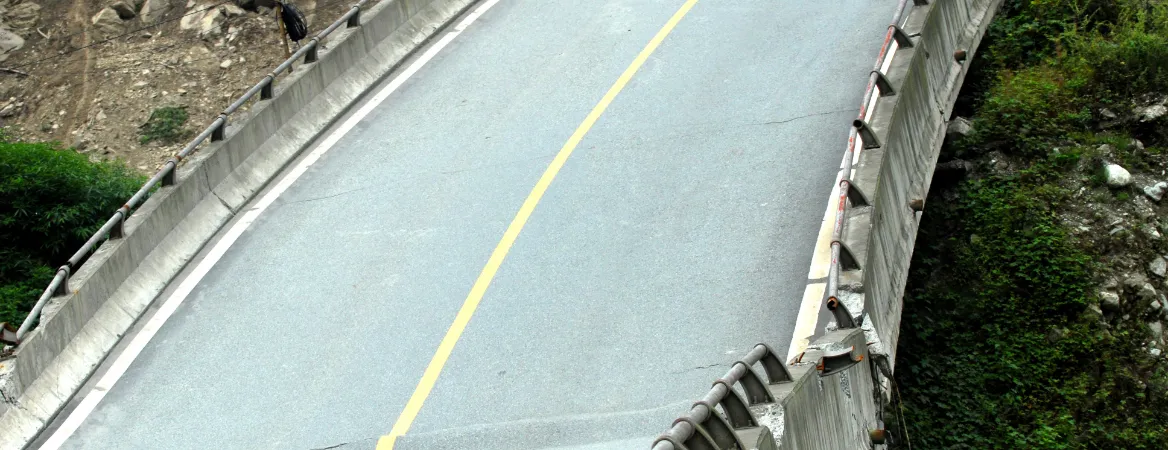
Relevance
Infrastructure support was a chilling topic of discussion at the end of January. A Pittsburgh bridge fell, leaving ten injured and concerns rippling the nation. Biden was on his way to the city to discuss improving infrastructure when he heard the news.
The irony of the day left an even stronger impression on many Americans. The safety issue of bridges is essential to fix.
In 2021, 42% of our nation's bridges were at least 50 years old. As time goes on, this number will rise without reconstruction. Additionally, 7.5% of bridges are in poor condition.
Considering the 178 million daily trips across bridges, these statistics are alarming. To solve this issue, spending on rebuilding bridges would need to increase by 58% yearly. The current investment would take until 2071 to repair the bridges.
According to a 2021 analysis, 36% of bridges in the United States need major repair or replacement. The length of the crumbling bridges is alarming. The bridges would be able to crisscross from Los Angeles to Portland, Maine, and back.
Causes
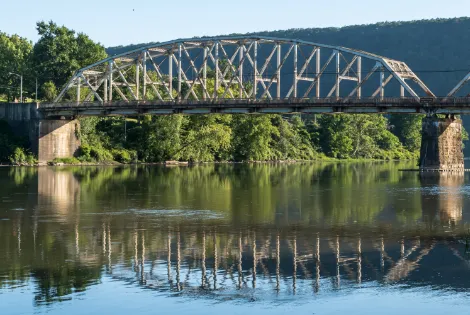
Today's bridges built after WWII were expected to last for one hundred years. An increase in vehicular transportation caused bridge use to be higher than predicted. Extreme weather conditions have made wear and tear on bridges more relevant. These factors were impossible to expect at the time of building.
Studying the behavior of bridges instead of focusing on their expectations is essential. The structures were not expected to handle the daily traffic they endured.
The lack of infrastructure funding has caused a dangerous race. The decay of current bridges is much faster than the ability to repair.
Existing deterioration and the focus on preventive maintenance should hold priority.
Solution
A simple solution would be to raise the budget on spending toward bridges. Yet, some states have attempted to do so by raising tax prices on gas.
Biden's infrastructure bill allocated $27 billion toward improving bridges. Reports have shown that this is an appropriate allotted amount. However, distributing at least $22.7 billion each year toward this issue is essential to solve the problem.
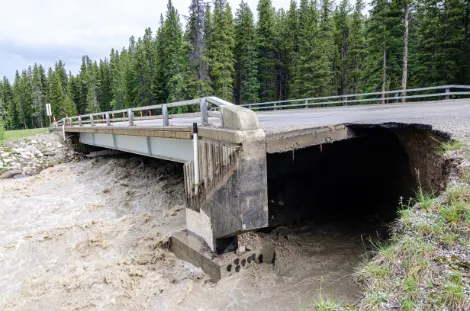
A crumbling bridge or a bridge under maintenance is dangerous. At every bridge site, safety measures must exist. Falling concrete can be hazardous as it can kill an individual.
When working on bridge maintenance, construction workers must take safety precautions. The risk of a falling employee or piece of concrete is serious.
Installing safety measures is essential to prevent accidents. An excellent solution for bridge construction would be a fall safety net with debris liner. Additionally, debris netting prevents contamination of the area surrounding a crumbling bridge. Steel netting would be effective at preventing concrete slabs from falling.
Maintaining the strength of falling bridges in our nation is essential. Though this may seem an enormous feat, it is possible with the right resources.
Impact
Bridges undergoing maintenance have a significant impact on the local economy. Drivers must determine safety whenever crossing a bridge based on their carrying loads. Trucks heavier than bridge capacity cause drivers to find alternative routes. Truck drivers forced to reroute may impact shipping times.
Companies are spending time determining which bridges may be safe to cross. Bridges that are deteriorating cause companies to find alternative routes for their drivers.
Road congestion is another effect of bridge decay. Limited routes force drivers to share roads, causing traffic jams and accidents.
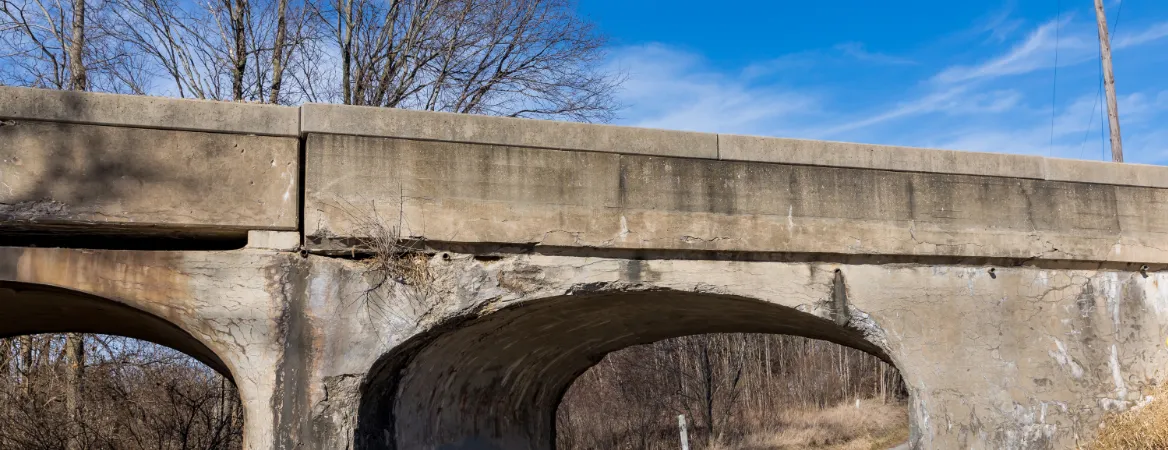
The local economic impact is also very relevant. Detours implemented from bridge reconstruction cause small businesses to lose foot traffic. Strong community efforts are necessary to keep companies from suffering during construction.
The unexpected impacts of the state of our nation's bridges are overwhelming. Action toward safe reconstruction is essential to become resilient before our infrastructure crumbles.