

 Safety Netting
  Barrier Netting
  Loading Dock Safety Nets
  Facility & Warehouse Safety
  Construction Safety Catalog
  Debris Netting Panels
  Fall Safety Netting
  Steel Netting
  Kevlar Reinforced Netting
  Conveyor Netting
  Drone Safety Netting
  Spectator Safety Products
  Transportation Safety Netting
  Plastic Fence
  Cargo Nets
  1" Webbing Cargo Net
  2" Webbing Cargo Net
  Custom Cargo Netting
  Cargo Netting Roll
  Military Grade Cargo Lifting Net
  Decorative Rope Cargo Net
  Truck Cargo Net
  Truck Cargo Net Kit
  Rope Cargo Net
  Steel Cargo Net
  Kevlar Reinforced Cargo Net
  Jumbo Lifting Nets
  Warehouse Cart Netting
  Pallet Rack Netting
  Debris Net Rolls
  Loading Dock Solutions
  Wall Mounted Loading Dock Nets
  Above-Ground Loading Dock Safety Nets
  In Ground Loading Dock Nets
  Existing Bollard Safety Nets™
  Construction Netting and Mesh
  Debris Netting Panels
  Fall Safety Netting
  Debris Netting Rolls
  Hatch Safety Netting
  Safety Barrier Netting
  Warehouse Safety Netting
  Hatch Netting
  Rack Safety Netting
  Loading Dock Solutions
  Military Netting
  Plastic Netting
  All Purpose Nets
  Barrier Netting
  Custom Barrier Netting
  EZ Barrier
  Knotless & Knotted Barrier Netting
  Sports Barrier Netting
  Warehouse & Dock Safety Barriers
  Pallet Rack Barrier Netting
  Sports Netting
  Custom Sports Netting
  Golf Netting, Barriers & Cages
  Baseball Netting & Cages
  Spectator Safety Products
  Camouflage Nets
  Drone Netting
  Gym Divider Curtains
  Lacrosse Backstops
  Agricultural & Pest Control Netting
  Shade Cloth
  Trellis Netting
  Crop Protection & Blueberry Netting
  Bird Netting
  Pond Netting
  Pest Control
  Poultry Netting
  Shade Cloth
  Square / Rectangular Shade Cloth
  Triangular Shade Cloth
  Metal Netting
  Steel Cable Netting
  Decorative Steel Netting
  Steel Chain Netting
  Conveyor Netting
  Light Duty Conveyor Netting
  Heavy Duty Conveyor Netting
  Heavy Duty Conveyor Netting w/ Debris Liner
  Plastic Fence Netting
  Multi-Use Plastic Fence
  Safety Barrier Fence
  Containment Netting
  Deer Fence
  Plastic Elk Fence
  Plastic Agricultural Netting
  Plastic Pallet Rack Netting
  Plastic Bird Netting
  Plastic Poultry Netting
  Plastic Snow Fence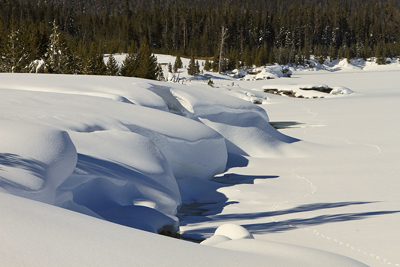
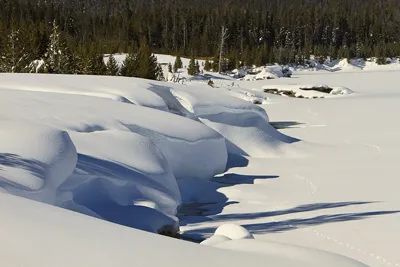
Preparing for Winter With Snow Fencing
Winter is coming …and it will bring mounds of blowing, drifting snow. But there is a way to exercise some control over where and how the white stuff accumulates: through the use of snow fence.
Snow fence is especially useful for people in rural areas with less-frequently-plowed roads, long driveways that can get blocked off fast, or any other areas that need to be kept clear. You can also use fencing to put the snow where you want it: for example, ski lodges can adjust snow depth on their slopes, or farmers can collect the snow in areas where they can use it as water supply when it melts.
And this solution is economical: according to a guide put out by the Strategic Highway Research Program, installing snow fences can cost 100 times less than plowing snowdrifts. Plowing and salting or sanding roads can be damaging to their surface and lead to expensive repairs. The use of snow fence reduces the need for these costly and harmful measures. Furthermore, it saves lives: clearer, more visible roads are safer for motorists. Along I-80 in Wyoming, for example, the introduction of fences in the 1970s led to a 70% reduction in the number of accidents caused by poor visibility.
Snow fence is installed perpendicular to the prevailing wind direction and upwind of the area to be protected, at a distance of at least 35 times the fence height from that area. (So a 4’ fence would be placed 140’ upwind of a road, for example). As the wind and snow blow through the fence, the resulting reduction in speed lets the snow pile into a drift on the downwind side of the fence before it reaches the road. Snow fence can be made of plastic grid or wooden slats.
Whether you choose plastic or wooden fence, it should have 40-50% open areas or porosity so that wind and snow can pass through. The goal is to slow down the wind and redirect the snow to form drifts, not block it off completely. You should also leave a gap of at least five inches (or 10-15% of the fence height) below the bottom edge of the fence so that the drift begins accumulating farther away and not right up against the fence, burying and blocking it.
The support posts should be no more than 8’ apart, and should be buried at least 1.5’ into the ground (so use posts taller than the fence height). Use T-posts rather than U-posts for extra stability. Plastic fence can be secured between the post and a wooden slat for added strength. It can be fastened with cable ties and then taken down for storage at winter’s end.
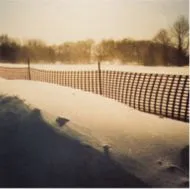
US Netting offers several types of plastic snow fence in various colors, or natural wood slatted fence that works for sand control as well. We also have T-posts and ground staples for installation. Explore our site or contact our sales team at 1-800-331-2973 or our quote request form with any questions about choosing a snow fence solution that makes dealing with winter easier.
Sources on Snow Drift Fencing:
- https://naturalresources.extension.iastate.edu/forestry/publications/PDF_files/SHRP-H-320.pdf
- https://slate.com/culture/2013/08/snow-fences-how-do-they-work-what-are-they-where-did-they-come-from-photos.html
- https://commonsensehome.com/how-to-put-up-a-snow-fence/
- https://www.wikihow.com/Install-a-Snow-Fence