

 Safety Netting
  Barrier Netting
  Loading Dock Safety Nets
  Facility & Warehouse Safety
  Construction Safety Catalog
  Debris Netting Panels
  Fall Safety Netting
  Steel Netting
  Kevlar Reinforced Netting
  Conveyor Netting
  Drone Safety Netting
  Spectator Safety Products
  Transportation Safety Netting
  Plastic Fence
  Cargo Nets
  1" Webbing Cargo Net
  2" Webbing Cargo Net
  Custom Cargo Netting
  Cargo Netting Roll
  Military Grade Cargo Lifting Net
  Decorative Rope Cargo Net
  Truck Cargo Net
  Truck Cargo Net Kit
  Rope Cargo Net
  Steel Cargo Net
  Kevlar Reinforced Cargo Net
  Jumbo Lifting Nets
  Warehouse Cart Netting
  Pallet Rack Netting
  Debris Net Rolls
  Loading Dock Solutions
  Wall Mounted Loading Dock Nets
  Above-Ground Loading Dock Safety Nets
  In Ground Loading Dock Nets
  Existing Bollard Safety Nets™
  Construction Netting and Mesh
  Debris Netting Panels
  Fall Safety Netting
  Debris Netting Rolls
  Hatch Safety Netting
  Safety Barrier Netting
  Warehouse Safety Netting
  Hatch Netting
  Rack Safety Netting
  Loading Dock Solutions
  Military Netting
  Plastic Netting
  All Purpose Nets
  Barrier Netting
  Custom Barrier Netting
  EZ Barrier
  Knotless & Knotted Barrier Netting
  Sports Barrier Netting
  Warehouse & Dock Safety Barriers
  Pallet Rack Barrier Netting
  Sports Netting
  Custom Sports Netting
  Golf Netting, Barriers & Cages
  Baseball Netting & Cages
  Spectator Safety Products
  Camouflage Nets
  Drone Netting
  Gym Divider Curtains
  Lacrosse Backstops
  Agricultural & Pest Control Netting
  Shade Cloth
  Trellis Netting
  Crop Protection & Blueberry Netting
  Bird Netting
  Pond Netting
  Pest Control
  Poultry Netting
  Shade Cloth
  Square / Rectangular Shade Cloth
  Triangular Shade Cloth
  Metal Netting
  Steel Cable Netting
  Decorative Steel Netting
  Steel Chain Netting
  Conveyor Netting
  Light Duty Conveyor Netting
  Heavy Duty Conveyor Netting
  Heavy Duty Conveyor Netting w/ Debris Liner
  Plastic Fence Netting
  Multi-Use Plastic Fence
  Safety Barrier Fence
  Containment Netting
  Deer Fence
  Plastic Elk Fence
  Plastic Agricultural Netting
  Plastic Pallet Rack Netting
  Plastic Bird Netting
  Plastic Poultry Netting
  Plastic Snow Fence
 Nylon Rope
Strong, elastic, and durable
Learn about several different knots and their applications. Whether you're boating, camping, hunting, or working with rope in any capacity, knowing the right knot makes all the difference.
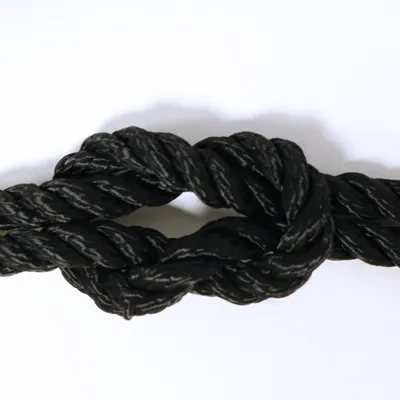
The square knot is used to join two ropes together in a simple and effective way. It's one of the most commonly used knots and is easy to learn.
Not suitable for heavy weights or critical situations. The square knot can slip under heavy loads or when the ropes are of different diameters.
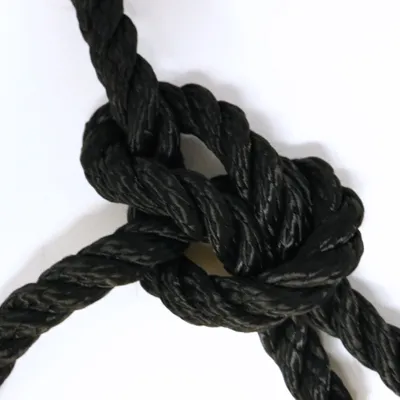
The bowline knot is characterized by its strength, simplicity, and resistance to jamming. It creates a secure, non-slip loop at the end of a rope that won't tighten under load.
May loosen if shaken or jostled repeatedly. Not recommended for situations where the rope will be subject to repeated loading and unloading.
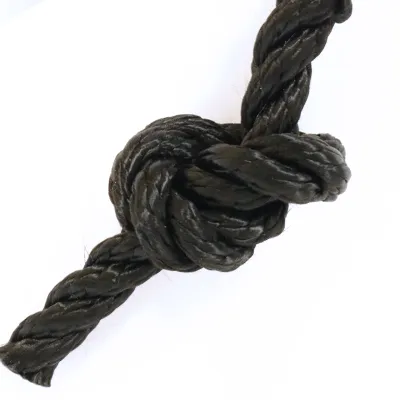
The overhand knot is the simplest knot with the most basic tying steps. It serves as the foundation for many other knots and is commonly used as a stopper knot.
Can be difficult to untie after being loaded. May weaken the rope if left tied for extended periods.
The slip knot is used to slide and tighten around a post, tree, or hitch. It creates a loop that tightens under load but can be easily released by pulling the working end.
The slip knot can tighten unexpectedly under load. Use with caution around people and animals.
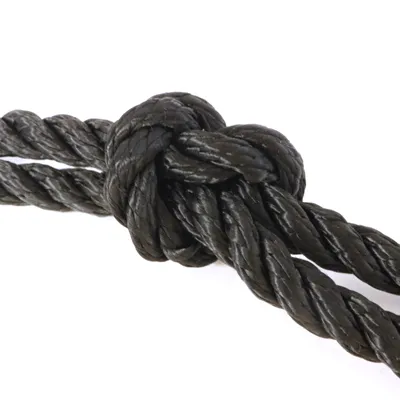
The sheet bend is the best knot for joining two ropes of unequal diameters. It's quick to tie and provides a strong, reliable connection that holds well under load.
May slip when used with ropes of very different stiffness. Both rope ends should exit the knot on the same side for maximum security.
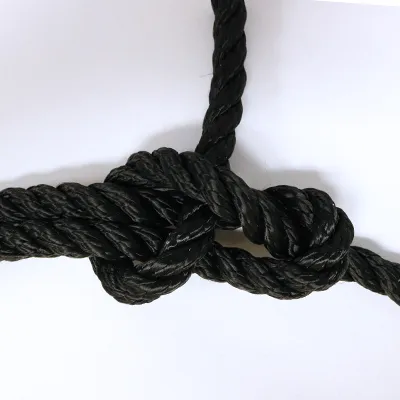
Mastering these fundamental knots will prepare you for countless situations in boating, camping, hunting, and everyday life. Practice makes perfect - the more you tie these knots, the faster and more confident you'll become.
Remember: always choose the right knot for your application, inspect your ropes regularly for wear, and when in doubt, test your knots before putting them under load.
Our experts can help you select the perfect rope for your application. Whether you need rope for marine use, industrial applications, or general purpose, we've got you covered.